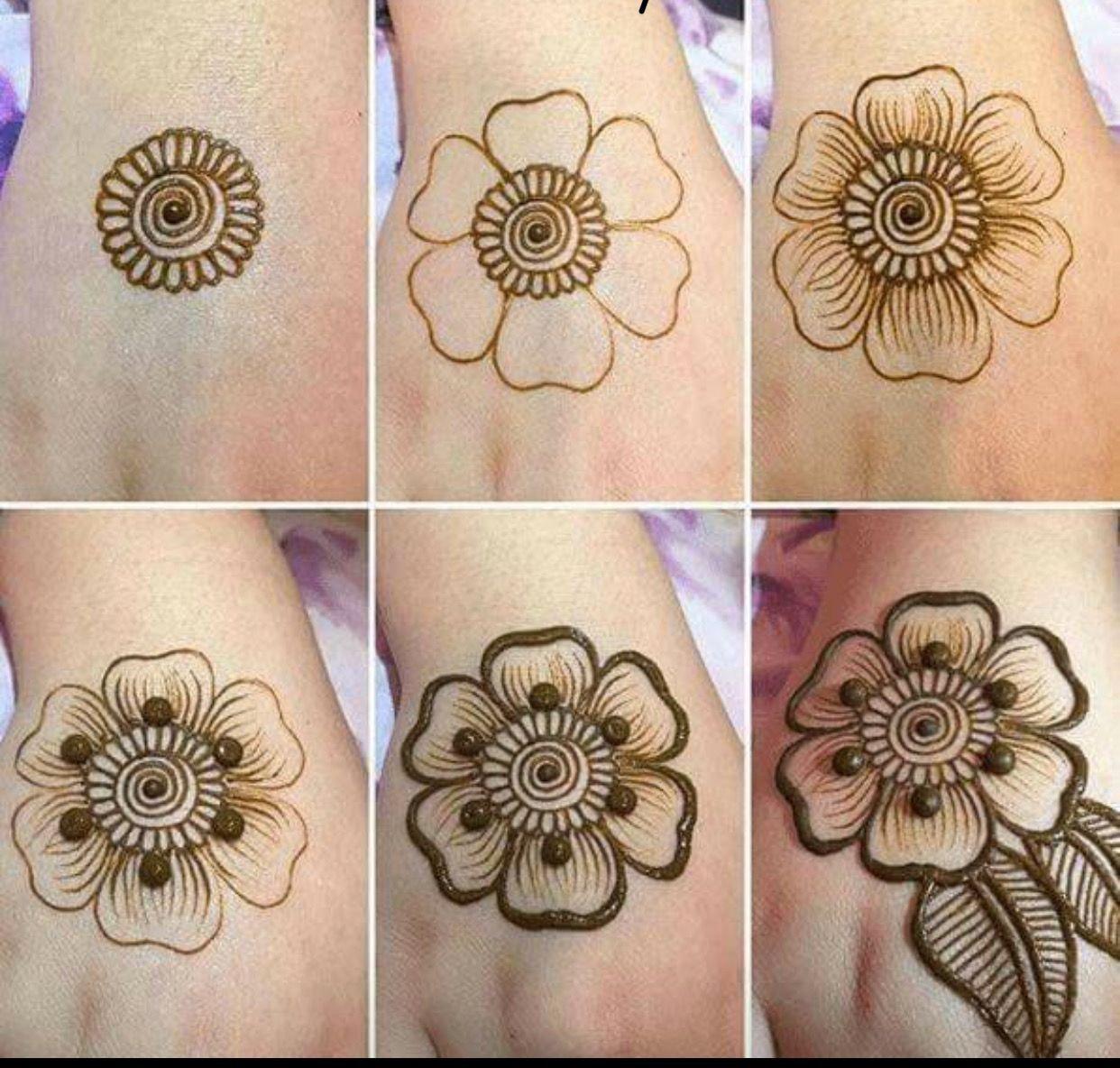

How to Make Any Mehndi Design Very Easy
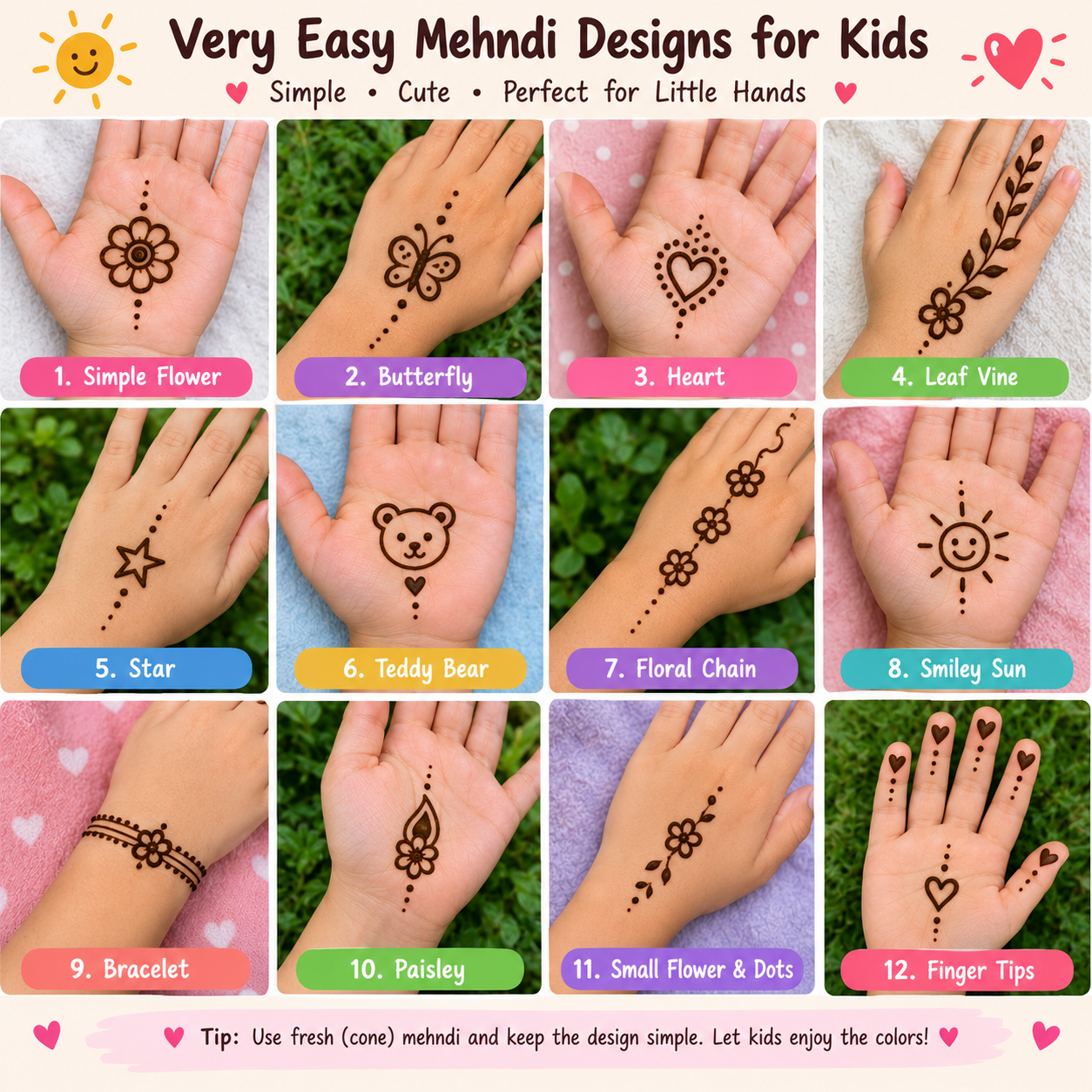
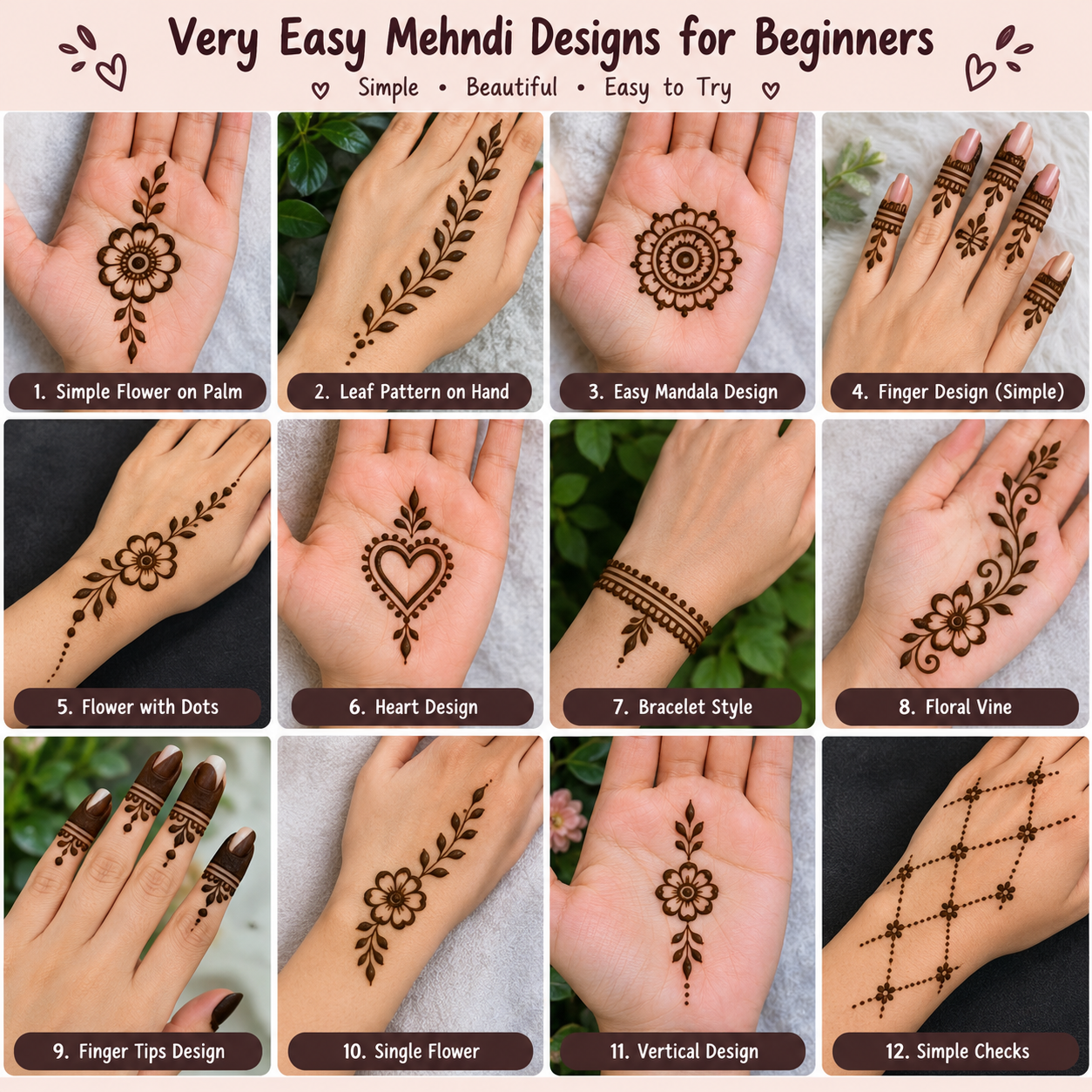
The fastest way to make a mehndi design easy isn't picking a different pattern — it's simplifying whatever design you already like by keeping its overall silhouette and swapping out the fine detail for basic strokes and open space. Here's the actual technique for doing that with any reference design you've seen.
[IMAGE PLACEHOLDER: side-by-side comparison of a detailed reference design and its simplified version]
Start From the Silhouette, Not the Detail
Most elaborate mehndi designs are built from a fairly simple overall shape — a teardrop, a circle, a fan — that's then filled in with dense linework. If you look at a reference photo and mentally strip away the fine detail, you'll usually find a basic outline underneath that's genuinely achievable. Recreating just that outline, without the dense fill, already captures the spirit of the design at a fraction of the effort.
Techniques for Simplifying Any Design
Keep the outer shape, drop the inner fill: Trace just the outline of a motif instead of the intricate patterning inside it.
Reduce repetition: If a design repeats a motif ten times across the hand, doing it three or four times in a spaced-out pattern captures the same visual rhythm with far less work.
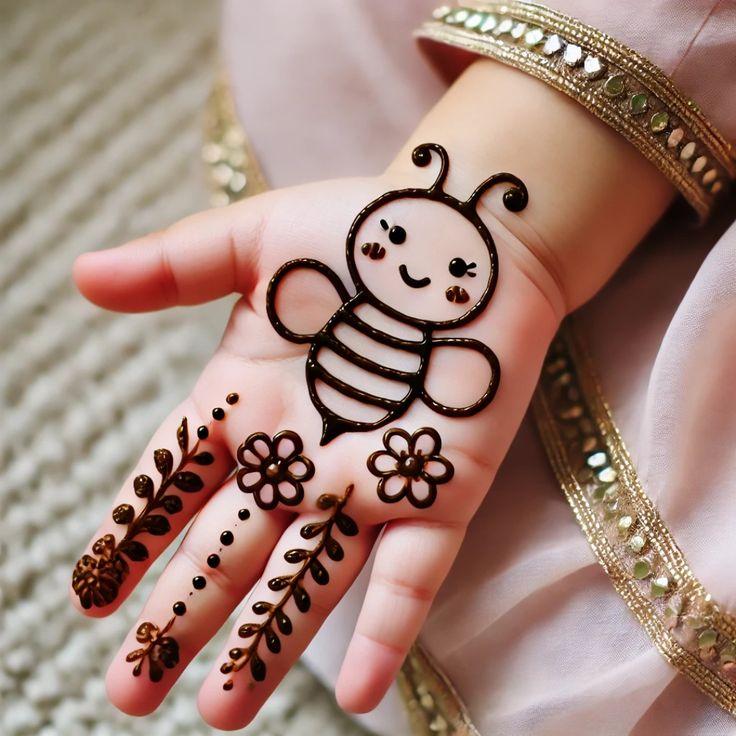
Replace fine linework with dots: A row of dots reads as deliberate detailing and is much faster and more forgiving than fine connected lines.
Widen the spacing between elements: More negative space automatically means less area you need to fill precisely.
[IMAGE PLACEHOLDER: example showing dots used to replace fine linework in a motif]
Swapping Complex Elements for Simple Ones
Certain elements common in elaborate designs — fine mesh patterns, tightly layered petals, tiny interlocking shapes — are genuinely difficult even for many trained artists to execute quickly. Swap these specifically for simpler substitutes: a mesh-fill background can become a scattering of small dots, and layered petals can become a single simple flower outline. The overall composition still reads as intentional, even though each individual element takes far less skill to execute.
Reducing Coverage Without Losing the Look
If a reference design covers the entire back of the hand, you don't have to recreate that full coverage to capture its feel. Choose the two or three elements you like most from the design — perhaps a central motif and a wrist border — and apply just those, leaving the rest of the hand bare. This preserves the design's character while cutting both the time and the skill required considerably.
Tools That Make Any Design Easier
Pre-made mehndi stencils, available for many common motifs, let you trace a shape directly onto the skin before applying paste, removing the need to freehand a design from memory. A fine-tip cone with a smaller opening also gives beginners more control over exactly where the paste lands, compared to a wider tip that's harder to place precisely.
Practising the Simplified Version First
Before applying your simplified design to skin, sketch it on paper a couple of times to confirm it still resembles what you had in mind. It's common to simplify a design mentally and then realise on paper that one more small element is needed to keep it recognisable — better to discover that during practice than mid-application.
Common Simplification Mistakes
Removing too much detail can leave a design looking sparse or unfinished rather than deliberately minimal — there's a real difference between "simple" and "incomplete." Keep at least one area of the design with slightly more detail than the rest, so the overall pattern still has a clear focal point rather than reading as a collection of scattered, disconnected elements.
When Simplifying Backfires
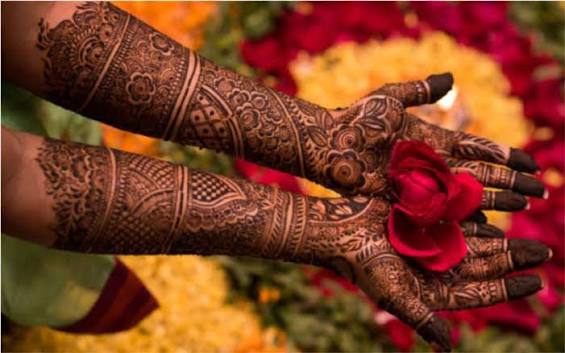
Some designs rely entirely on their density for visual impact — a full traditional bridal fill, for instance — and simplifying them too aggressively can lose what made the design appealing in the first place. If a reference design's whole appeal is its intricate coverage rather than a specific motif, it may be a better candidate for a professional mehndi artist than a simplified DIY version.
Adapting Colour and Fill Density Too
Simplifying isn't only about lines and shapes — you can also adjust how densely you fill any given motif. A flower drawn as a solid outline takes far less time than one filled entirely with fine cross-hatching or repeated small strokes inside each petal. If a reference design relies heavily on this kind of internal fill for its richness, treating that fill as optional rather than essential is often the single biggest time-saver available.
A Realistic Before-and-After Example
Picture a reference design with a large, densely filled mandala covering the entire palm, surrounded by a full-hand lattice pattern. A simplified version might keep just the mandala's outer ring and a few internal spokes, skip the lattice entirely in favour of open skin, and add a simple wrist border to give the hand a finished look. The overall silhouette and mood survive intact — a circular, symmetrical, decorative centrepiece — while the actual execution time drops dramatically.
Find Mehndi Artists on WeddingBuzz
If your reference design genuinely needs a skilled hand to do it justice, WeddingBuzz features mehndi artists who can recreate complex patterns properly rather than a simplified version.
Simplifying Designs Shared as Reference Photos
A photo saved from social media often shows a design at its most flattering angle and best lighting, which can make the actual complexity harder to judge. Before starting, try sketching a rough version of the reference photo on paper first — this quickly reveals which parts are genuinely simple structural elements and which parts are dense detail you'll want to simplify or drop entirely.
Frequently Asked Questions
Can any mehndi design be simplified?
Most can, by keeping the overall silhouette and reducing the fine detail, though designs that rely entirely on dense coverage for their look are harder to simplify without losing their character.
Should I use a stencil for a simplified design?
Stencils are a genuinely useful tool for beginners, letting you trace a shape before applying paste, which removes a lot of the guesswork.
Does a simplified design look less nice than the original?
Not necessarily — a well-simplified design that keeps a clear focal point often looks intentionally minimal rather than like an unfinished attempt at something more complex.
What's the single best tool for a beginner trying this?
A fine-tip cone paired with a printed or drawn reference of your simplified plan gives beginners the most control and the clearest guide to follow.
Conclusion
Simplifying a design you love is almost always more achievable than starting from scratch with something unfamiliar — keep the silhouette, trim the detail, and widen the spacing, and most designs become genuinely manageable.
Want the complex version done properly instead? Browse Vendors on WeddingBuzz | Call: +91 73100 30003